#
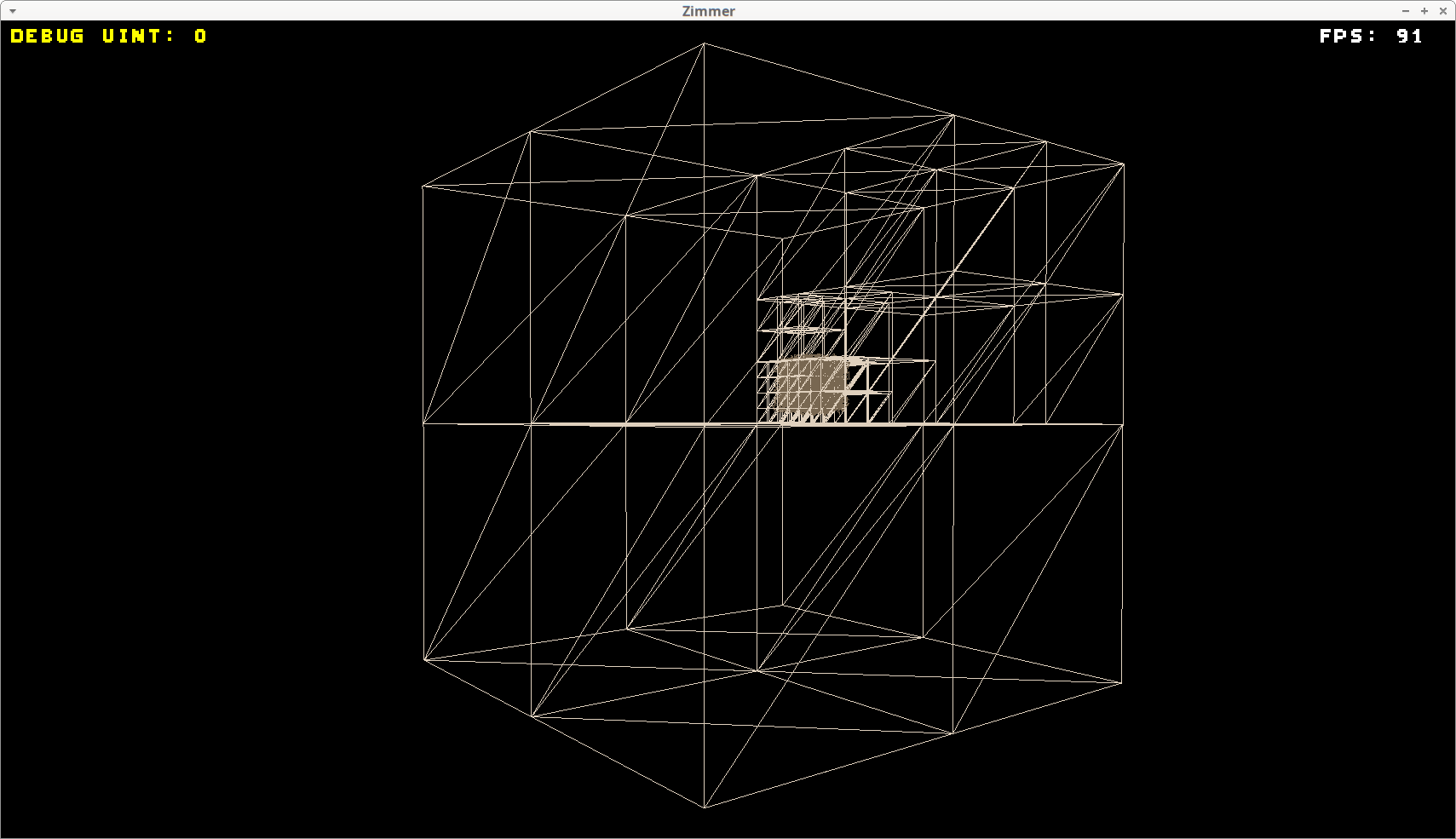
I've tried to come up with my own parametric surface description but failed. Today I've looked up and implemented Bézier triangle. No I can sample the surface I want to have. Next I will have to do create an actual geometry out of this.
Personal Blog about anything - mostly programming, cooking and random thoughts
I've tried to come up with my own parametric surface description but failed. Today I've looked up and implemented Bézier triangle. No I can sample the surface I want to have. Next I will have to do create an actual geometry out of this.
Quick evening session for some refactoring. Every edge can now be samples "as a curve".
https://blog.libove.org/posts/7bda39d3-b2ed-4c41-be3b-c8a518797c40/
Combined the Delaunay triangulation with the Bezier curves to create the "walls" of a room. Next step will be figuring out how to create surfaces between curves.
Can now show nodes and edges. Started work on Bézier curves.
Time to binge watch Freya Holmér to fresh up my knowledge :D
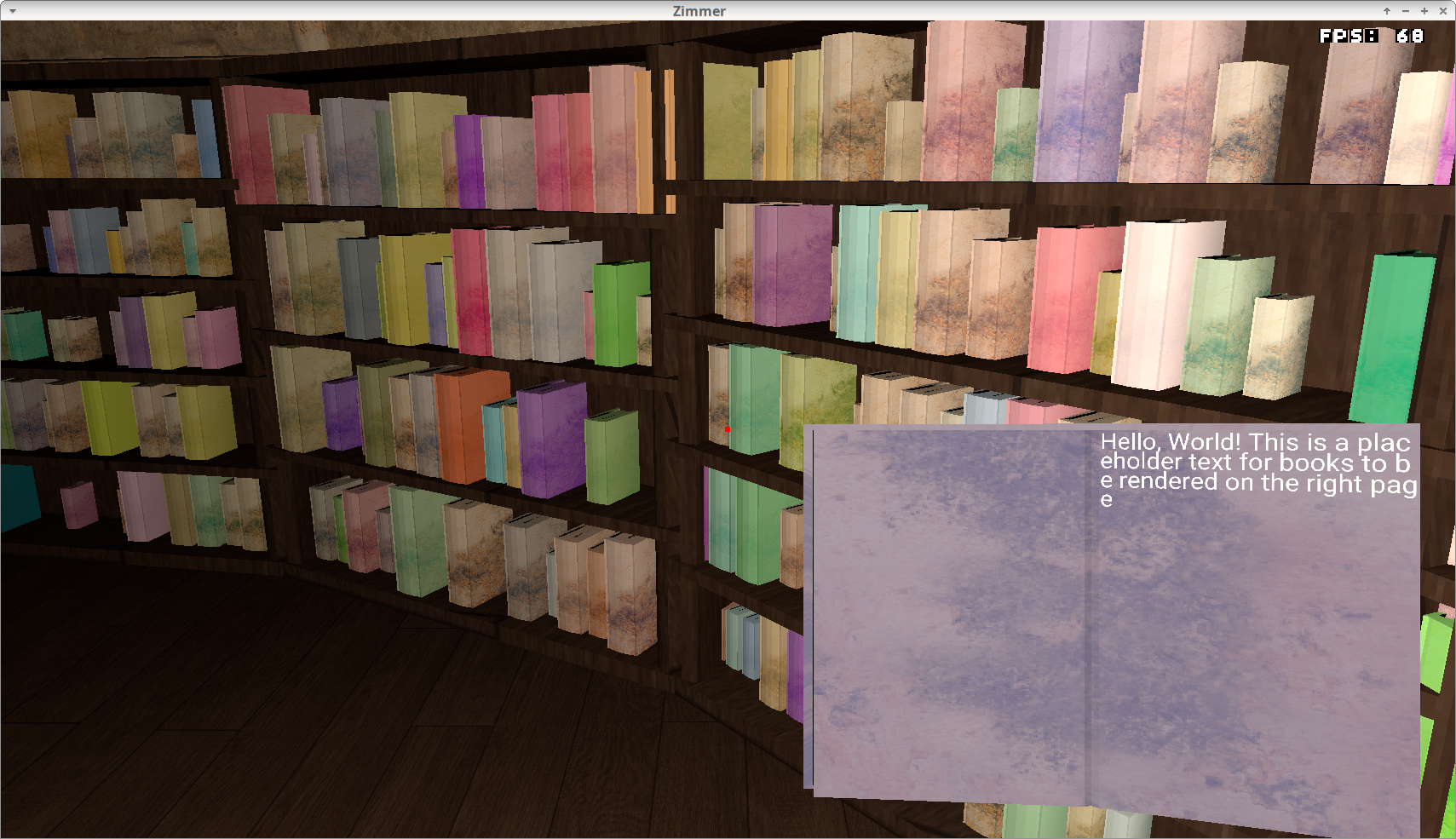
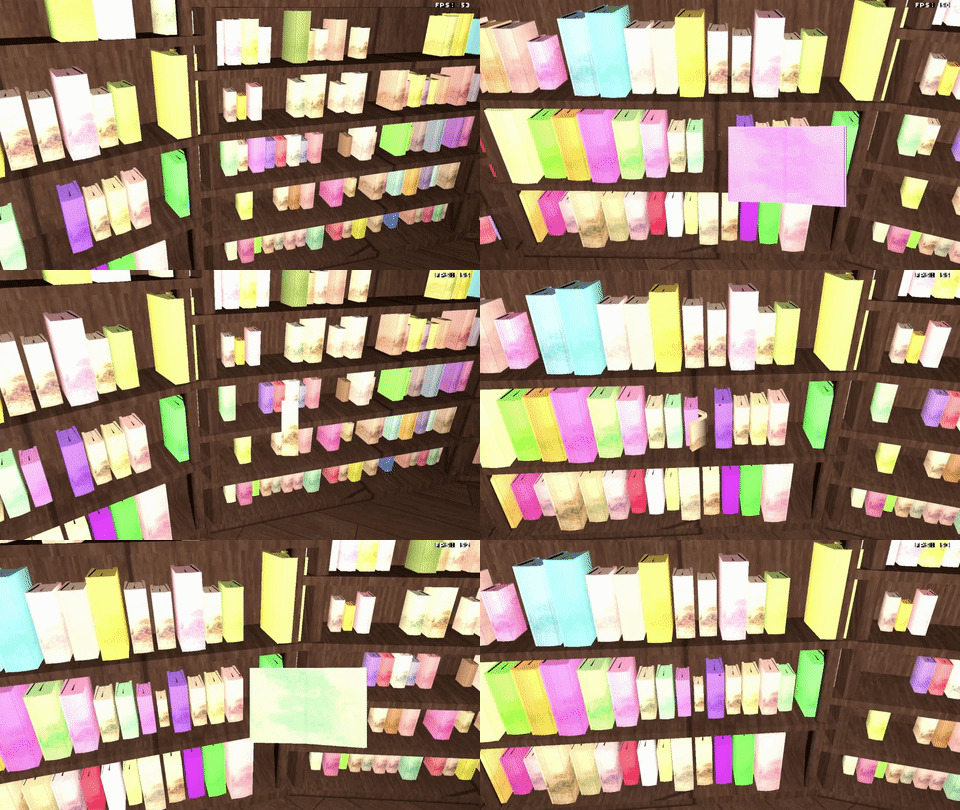
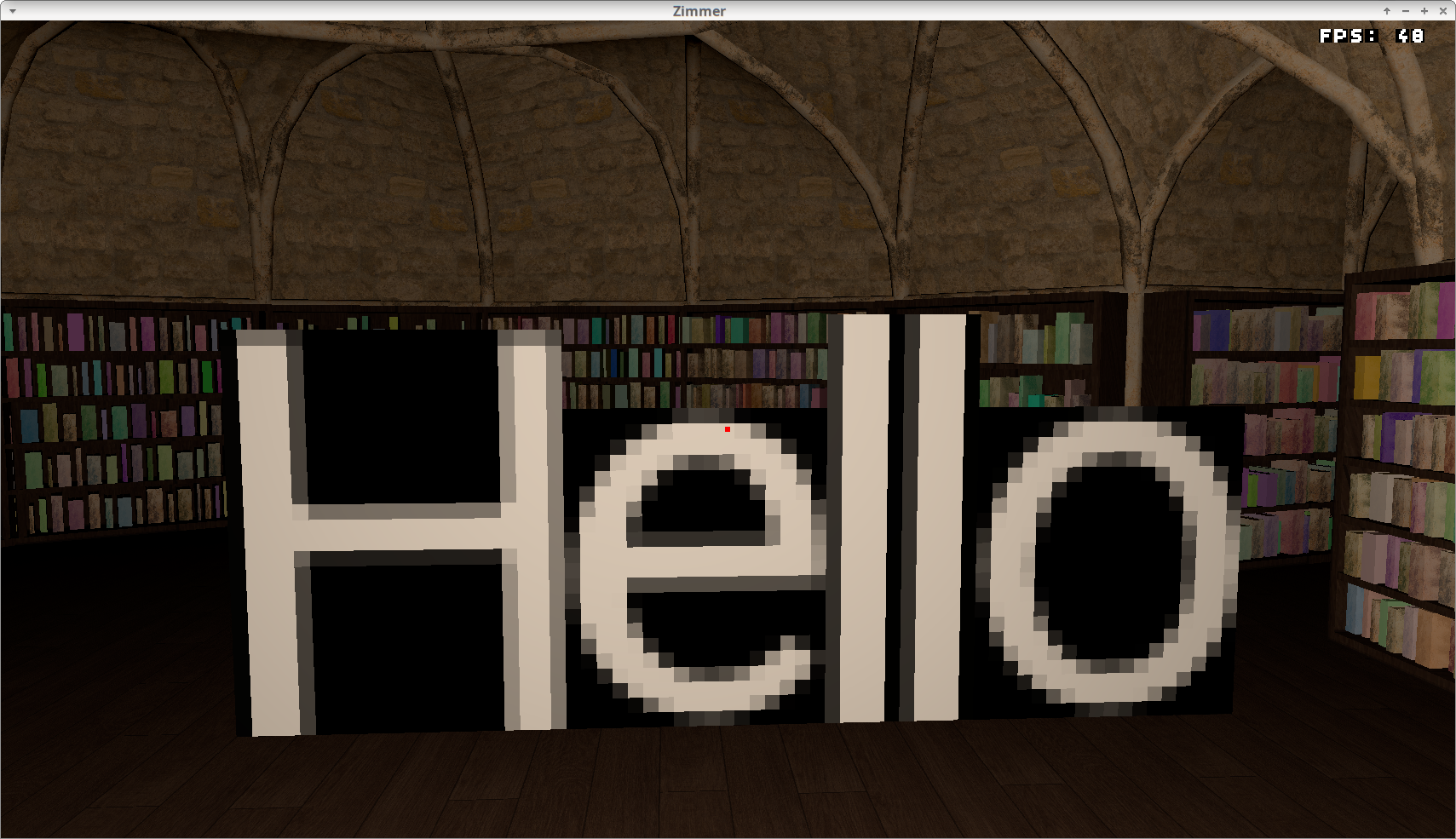
Result of some recreational graphics programming:
I've just one-shotted an iterator with a lifetime in #rust. Is this what it feels like when the language finally clicks?
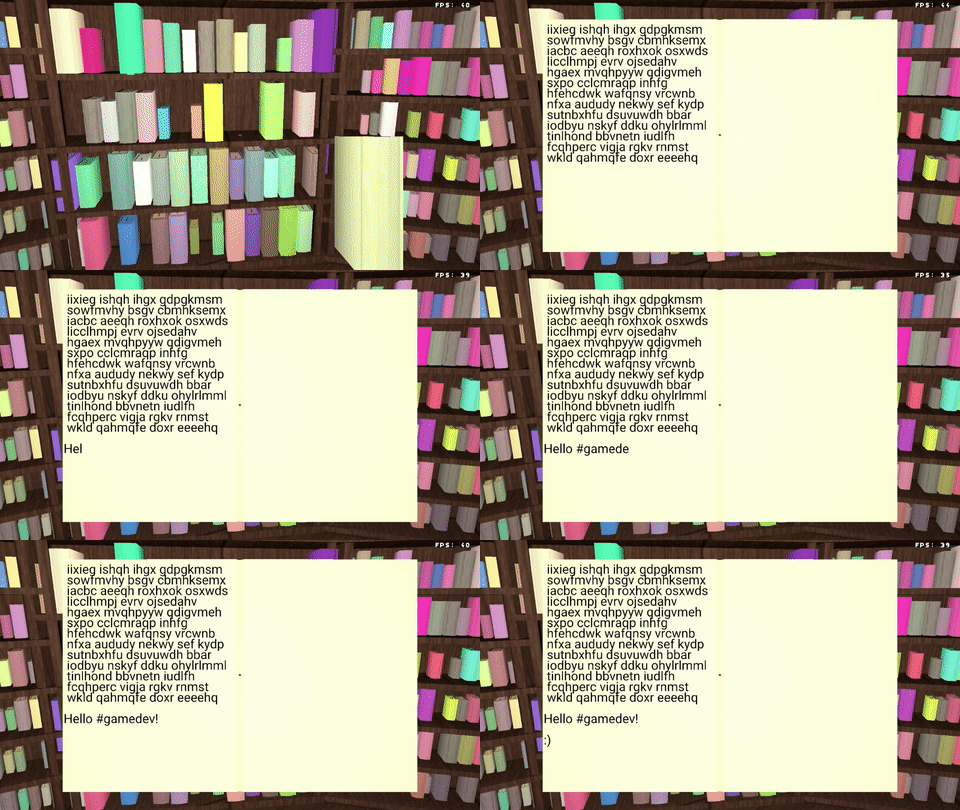
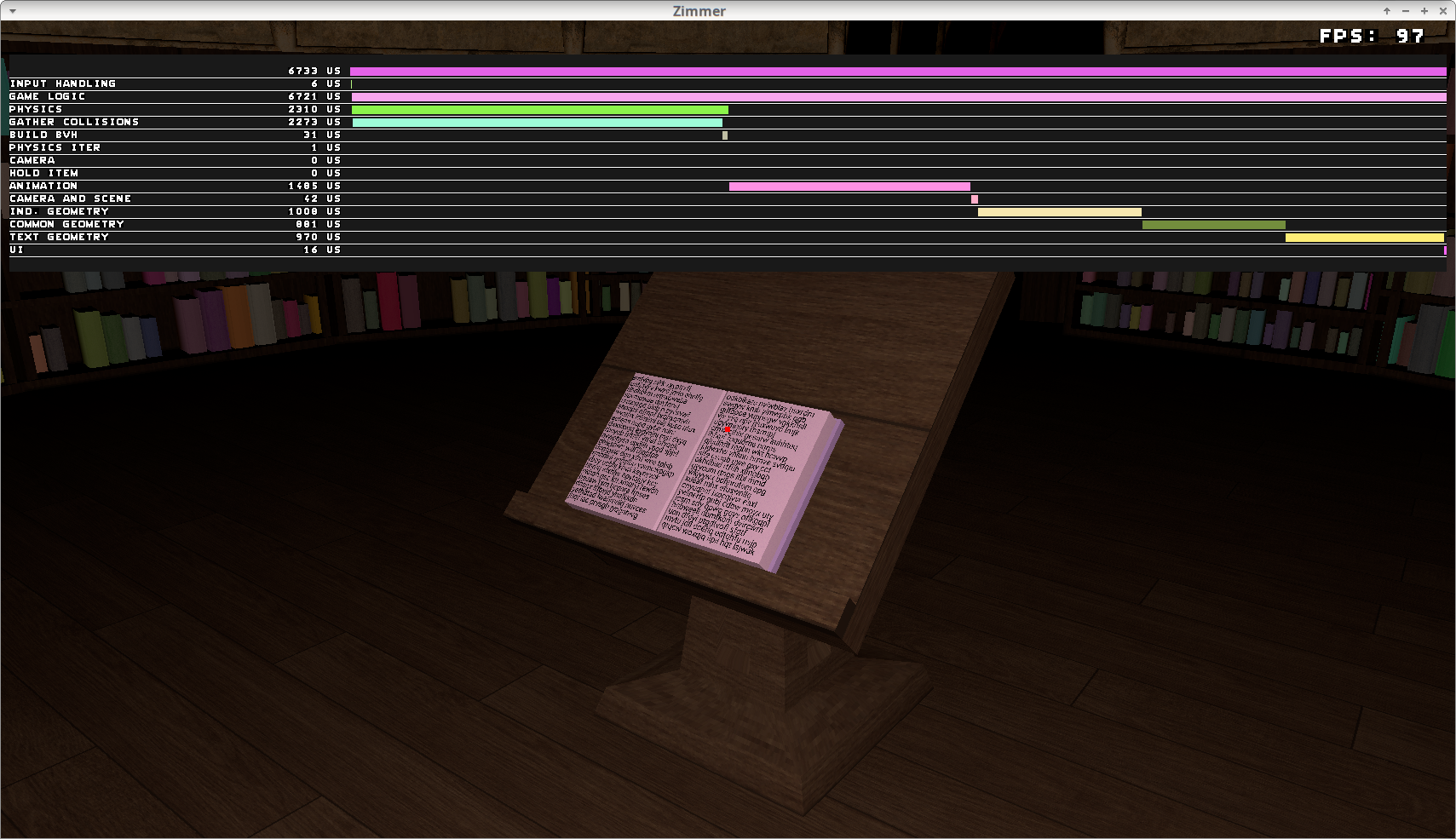
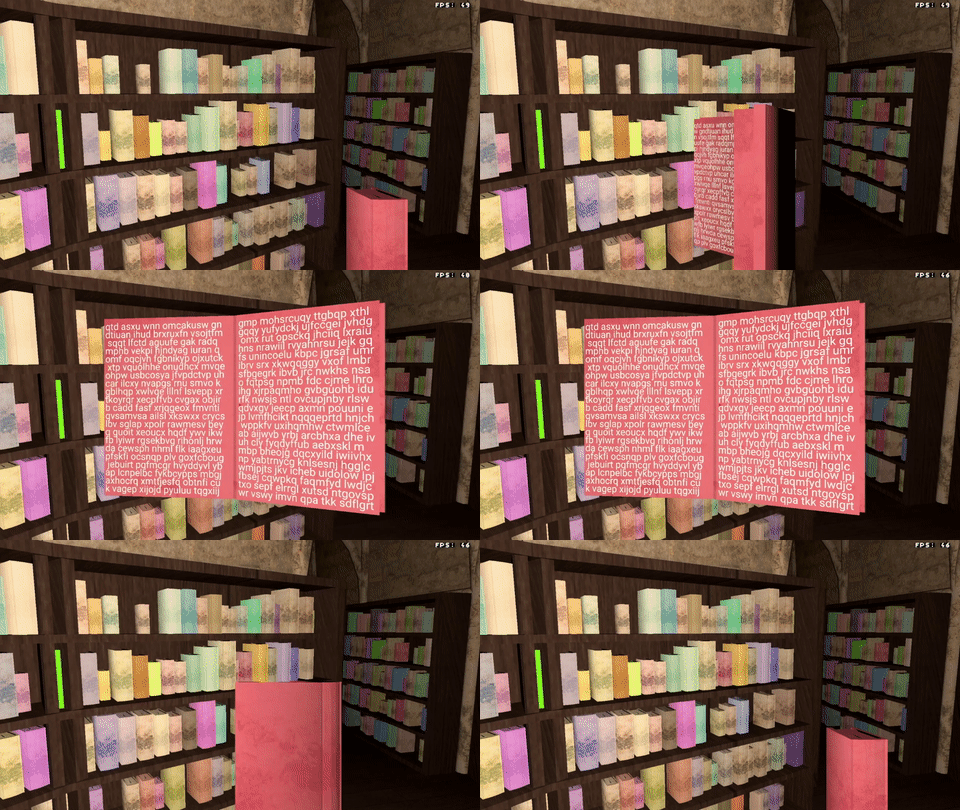
#gamedev progress:
I've started working on a minimal TOML parser in #zig for my game. This is already enough to parse a file into a map of structs. I'm really impressed by the comptime type info.
const std = @import("std");
const ParserError = error{
MissingEqual,
MissingBraket,
MissingQuote,
UnsupportedType,
};
pub fn parse_file(
comptime T: type,
allocator: std.mem.Allocator,
file_name: []const u8,
) !std.StringHashMap(T) {
var map = std.StringHashMap(T).init(allocator);
var file = try std.fs.cwd().openFile(file_name, .{});
defer file.close();
var buf_reader = std.io.bufferedReader(file.reader());
var in_stream = buf_reader.reader();
var buf: [1024]u8 = undefined;
var name: ?[]const u8 = null;
var cur_item: T = undefined;
while (try in_stream.readUntilDelimiterOrEof(&buf, '\n')) |line| {
const clean = std.mem.trim(u8, line, &std.ascii.whitespace);
// skip empty
if (clean.len == 0) {
continue;
}
if (clean[0] == '[') {
if (name != null) {
try map.put(name.?, cur_item);
}
const name_split_idx = std.mem.indexOf(u8, clean, "]") orelse return ParserError.MissingBraket;
name = try allocator.dupe(u8, clean[1..name_split_idx]);
continue;
}
const split_idx = try (std.mem.indexOf(u8, clean, "=") orelse ParserError.MissingEqual);
const field_name = std.mem.trim(u8, clean[0..split_idx], &std.ascii.whitespace);
const value = std.mem.trim(u8, clean[split_idx + 1 ..], &std.ascii.whitespace);
const type_info = comptime @typeInfo(T);
const fields = comptime type_info.@"struct".fields;
inline for (fields) |field| {
if (std.mem.eql(u8, field_name, field.name)) {
switch (field.type) {
f32, f64 => |Float| {
@field(cur_item, field.name) = try std.fmt.parseFloat(Float, value);
},
u8, u32, u64, i8, i32, i64 => |Int| {
@field(cur_item, field.name) = try std.fmt.parseInt(Int, value, 10);
},
[]u8 => {
if (value[0] != '"' or value[value.len - 1] != '"') {
return ParserError.MissingQuote;
}
@field(cur_item, field.name) = try allocator.dupe(u8, value[1 .. value.len - 1]);
},
else => {
return ParserError.UnsupportedType;
},
}
break;
}
}
}
if (name != null) {
try map.put(name.?, cur_item);
}
return map;
}
https://techhub.social/@ajfriesen/115226740616849332
Maybe you should use owl-blogs ;)
Your blog is missing the webfinger. This is used my most fediverse services to check if an account exists and to get all needed infos. Maybe this helps to debug this.
https://ajfriesen.com/.well-known/webfinger/?resource=acct:blog@ajfriesen.com
https://blog.libove.org/.well-known/webfinger?resource=acct:h4kor@blog.libove.org
https://techhub.social/@ajfriesen/115226277282594821
Ping